
Resources for Producers

Rules & Regulations

Necessary Safety Requirements to Sell to Schools

Food safety is the foundation of successful farm to school partnerships, with requirements that may exceed standard state and federal regulations. Schools and institutional buyers are increasingly driven by both market forces and federal laws to source from suppliers who demonstrate comprehensive Good Agricultural Practices (GAP) and maintain proper licensing.

Understanding these requirements — from determining what licenses you need, to developing an on-farm food safety plan, to securing appropriate insurance coverage — is essential for producers who want to build trusted, long-term relationships with school food service programs. In the table below, you will find license needs and food safety tips for different products.

produce
Fresh produce
Licensing
Fresh Whole Produce
No License Required May Need FSMA

Farms growing and selling their own fresh, whole fruits and vegetables can sell directly to schools without a license. May fall under the FSMA Produce Safety Rule.

Food Safety Notes
  • Document water sources and irrigation methods
  • Manure timing: 14 days pre-planting, 120 days pre-harvest
  • GAP/GHP certification — voluntary but expected
  • Keep harvest and traceability records
Cut/processed produce
Licensing
Minimally Processed
ODA Processing License

Cut, peeled, sliced, diced, pureed, frozen, or dried produce must be processed in an ODA-licensed facility.

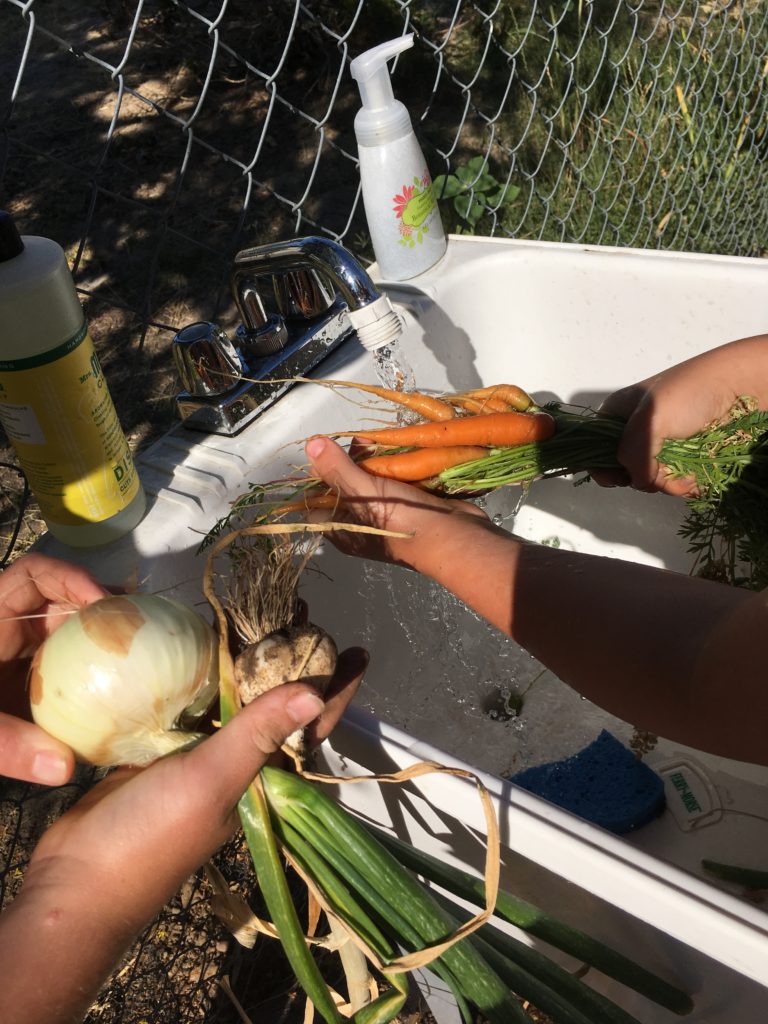
Exception: Field-level washing and trimming does not require a licensed facility.

Food Safety Notes
  • Schools may request site visits and plan review
  • Maintain temperature control during processing
  • Document all processing steps and dates
dairy
Dairy products
Licensing
Dairy Products
ODA Dairy License Grade A Required

All milk and milk products — milk, cheese, butter, cottage cheese, yogurt, sour cream — sold to schools must come from a licensed dairy facility.

A dairy license is required for producing milk on Grade A farms, transporting milk to receiving stations, and processing milk into fluid milk or dairy products.

Visit ODA Dairy Licensing →

Food Safety Notes
Cold Chain & Documentation
  • Maintain temperature control through production, transport, and delivery
  • Keep current licenses, inspection records, and product testing on file
  • Schools typically require pasteurized products only
eggs
Eggs
Licensing
Eggs
Egg Handler's License

All eggs sold to schools, retailers, cafes, bakeries, hospitals, or institutions must be graded by an ODA-licensed egg handler. The licensed handler may or may not be the producer themselves.

Visit ODA Egg Licensing →

Food Safety Notes
Grading & Storage
  • Eggs must be properly graded and labeled
  • Maintain refrigeration at 45°F or below
  • Keep traceability records of flock origin and pack date
animal proteins
Meat products
Licensing
Meat
USDA Inspection Required No "Custom Exempt" Possible ODA Sellers License

Must be slaughtered and processed under USDA inspection. Applies to beef, sheep, swine, goat, and non-amenable species (bison, yak). ODA meat sellers license may also be needed for certain processing types.

Food Safety Notes
  • HACCP plan required
  • Frozen: -10°F or colder
  • Vacuum-sealed packaging preferred
  • Full label: product, weight, date, handling
Poultry
Licensing
Poultry
USDA Inspection OR 20,000-Bird Exemption

20,000-bird exemption: School sales OK when processed at a licensed ODA facility.

1,000-bird Farm Direct: Not permitted for schools — direct-to-consumer whole carcass only.

Food Safety Notes
  • HACCP plan required
  • Cold chain through delivery
  • Document facility licensing
  • ODA Food Safety: 503-986-4720
Seafood
Licensing
Seafood
Processing License Seafood HACCP Required

Must come from a facility with a food safety processing license and a written Seafood HACCP plan covering handling, eviscerating, freezing, cutting, preserving, and packing. Tribal licensing may differ.

Required Labeling
  • Common or usual product name
  • List of ingredients
  • Net weight
  • Manufacturer name and address
value-added
Value-added products
Licensing
Processed & Value-Added
ODA Processing License Combination Often Required Product Formulation Statement

Requires ODA food processing license. Specific licensure depends on product type and form. Child Nutrition Programs require a Product Formulation Statement.

Food Safety Notes
  • Source only from licensed/approved suppliers
  • Provide ingredient lists, nutrition info, shelf-life
  • Have Product Formulation Statement ready
Grains and legumes
Licensing
Grains & Legumes
No License Required Processed: ODA License

Whole, hulled, crushed, or ground forms — no license. Any further processing (blended mixes, cooked beans) requires a food safety processing license.

Food Safety Notes
  • Store in clean, food-grade containers
  • Maintain dry, pest-free conditions
  • Label with origin and pack date
Cottage food / farm direct
Licensing
Cottage Food & Farm Direct
Limited Exemption Verify with ODA

Oregon's Farm Direct law allows some exemptions for items like pickles, jams, jellies. But for school sales, a processing license is often still required. Verify directly with ODA.

Food Safety Notes
  • Keep records of all ingredient sourcing
  • Label with ingredients and producer info
  • Maintain pH/water activity records

Additional Requirements

Licensing is only part of the picture. These additional standards and requirements often determine whether schools will buy from you. Each school has different demands, but it's good to be familiar with what you may need.

GAP / GHP Certification

Voluntary, but increasingly expected. Good Agricultural Practices and Good Handling Practices certification reduces microbial contamination risk during growing, harvesting, sorting, packaging, and storing.

Learn about GAP/GHP →
FSMA Produce Safety Rule

The federal Food Safety Modernization Act affects produce, processed food, food transportation, and imports. Your farm may be covered depending on size and crops.

Check FSMA coverage →
Liability Insurance

Most schools require $1–2 million in liability coverage. Schools may also request to be named as "additional insured" on your policy which does not cost extra. Be ready to provide proof of insurance.

Find Your Local Inspector

For specific licensing questions, the ODA Food Safety database can connect you with a specialist in your area.

Find an inspector →
Site Visits

Your On-Farm Food Safety Plan

Even when GAP/GHP isn't required, school food sponsors may want to conduct a site visit and review your written food safety plan before purchasing. ODA provides a free template to help small farms prepare.

What Your Plan Should Cover
Personal hygiene & worker training
Water sources & irrigation methods
Pesticide/herbicide use
Animal/wildlife management
Manure handling & composting
Traceability & harvest documentation
Field harvesting & transportation
Washing & packing procedures
Download the ODA Food Safety Plan Template →

ODA Resource Downloads

The Oregon Department of Agriculture publishes detailed reference documents specifically for producers selling into Child Nutrition Programs.